Best Seasons for Concrete Leveling
Concrete levelings are most effectively performed during mild weather conditions, typically in spring and early fall. Temperature stability and moderate humidity levels contribute to optimal curing and adhesion of the leveling material. Extreme cold or hot temperatures can affect the curing process, potentially leading to uneven results or delays.
In regions with harsh winters, it is advisable to schedule concrete levelings before the onset of freezing temperatures or after the snow has melted. This ensures the ground is stable and dry, which is crucial for proper leveling and long-term durability.
Spring offers moderate temperatures and rising ground moisture, making it suitable for concrete levelings. It allows for proper curing before summer heat or winter cold.
Early fall provides cool, stable weather conditions that help achieve durable, long-lasting level surfaces before winter sets in.
Hot summer days and freezing winter nights can hinder the curing process and compromise the quality of the leveling work.
Local climate patterns influence the best timing for concrete levelings, with milder seasons generally preferred for consistent results.
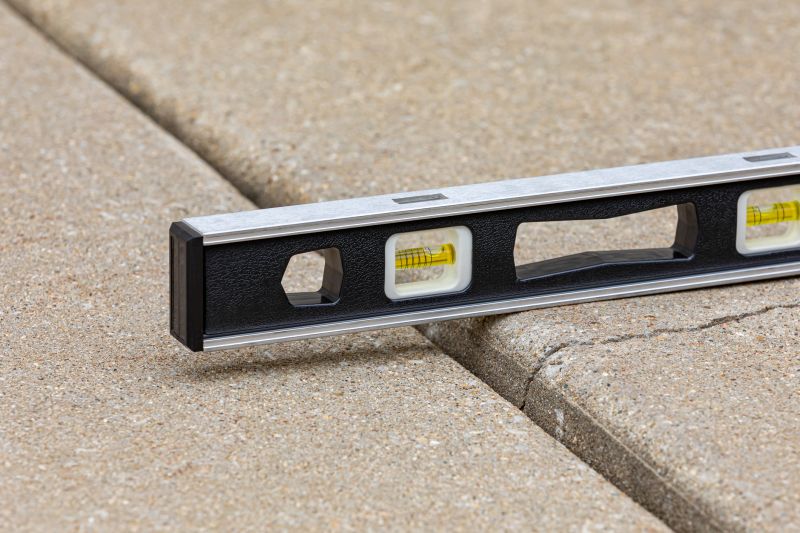
Ways to make Concrete Levelings work in tight or awkward layouts.
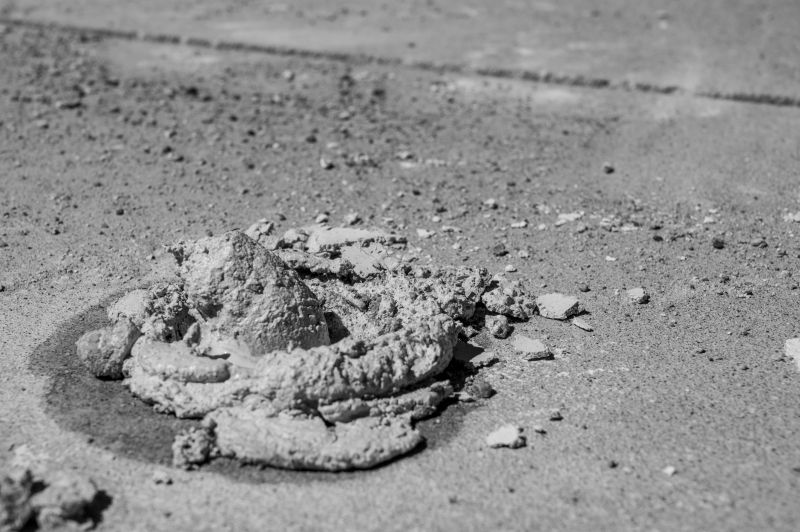
Popular materials for Concrete Levelings and why they hold up over time.
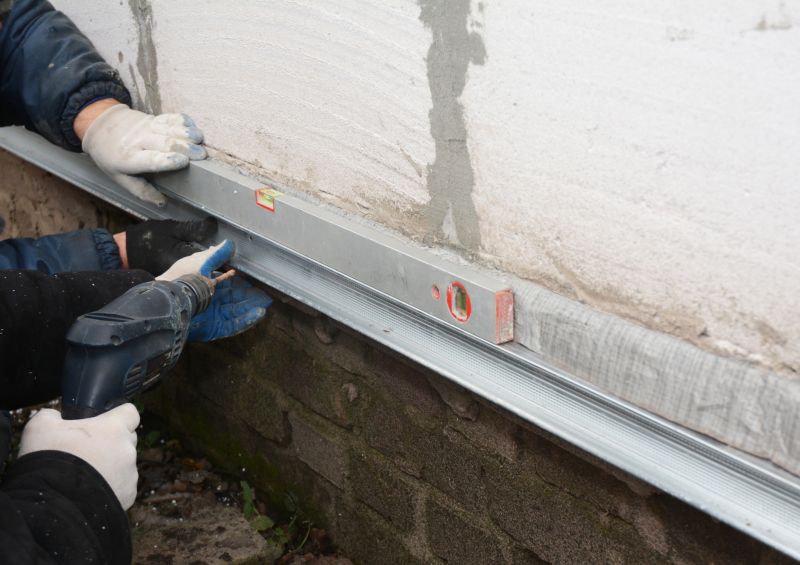
Simple add-ons that improve Concrete Levelings without blowing the budget.
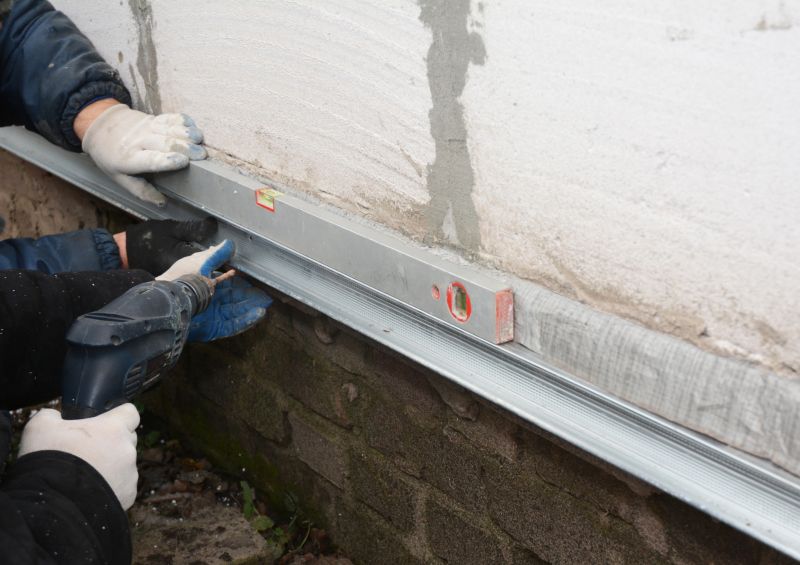
High-end options that actually feel worth it for Concrete Levelings.
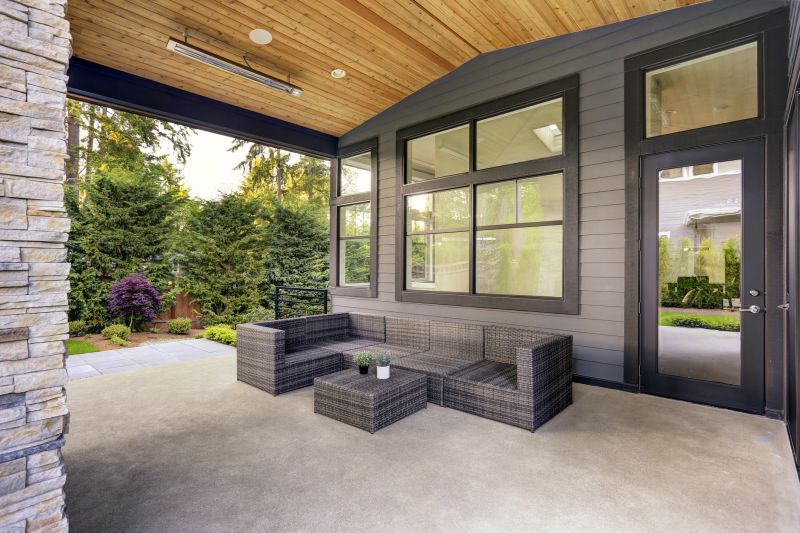
Finishes and colors that play nicely with Concrete Levelings.
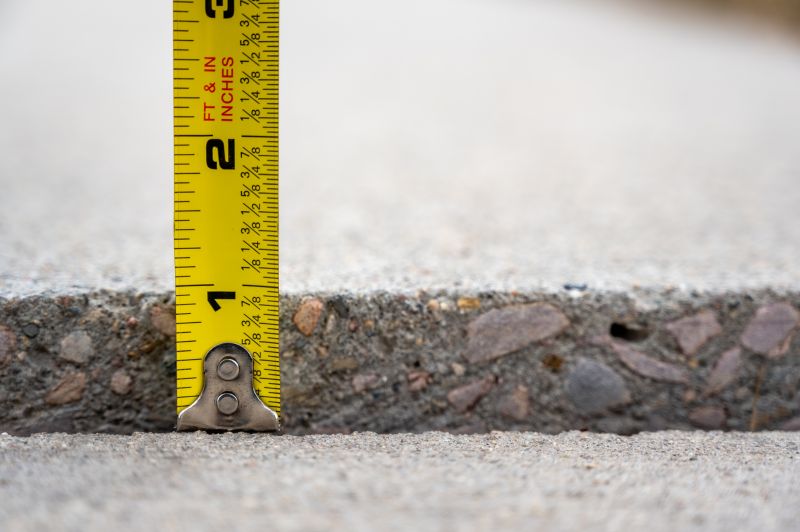
Little measurements that prevent headaches on Concrete Levelings day.
| Season | Best Conditions |
|---|---|
| Spring | Moderate temperatures, rising ground moisture |
| Summer | Hot days may cause rapid drying, affecting curing |
| Fall | Cool, stable weather before winter |
| Winter | Not recommended due to freezing temperatures |
Concrete levelings involve raising and leveling uneven slabs to restore a smooth, functional surface. This process can correct issues caused by soil settling, ground movement, or previous poor installation. Proper timing ensures the material bonds well with the existing concrete and achieves durable results. Weather conditions directly impact the curing process, which is critical for the long-term stability of the leveled surface.
Statistics indicate that scheduling concrete levelings during optimal seasons can extend the lifespan of the repaired surface by up to 30 percent, reducing the need for future repairs. Proper timing also minimizes the risk of cracking or shifting caused by temperature fluctuations or ground moisture changes.
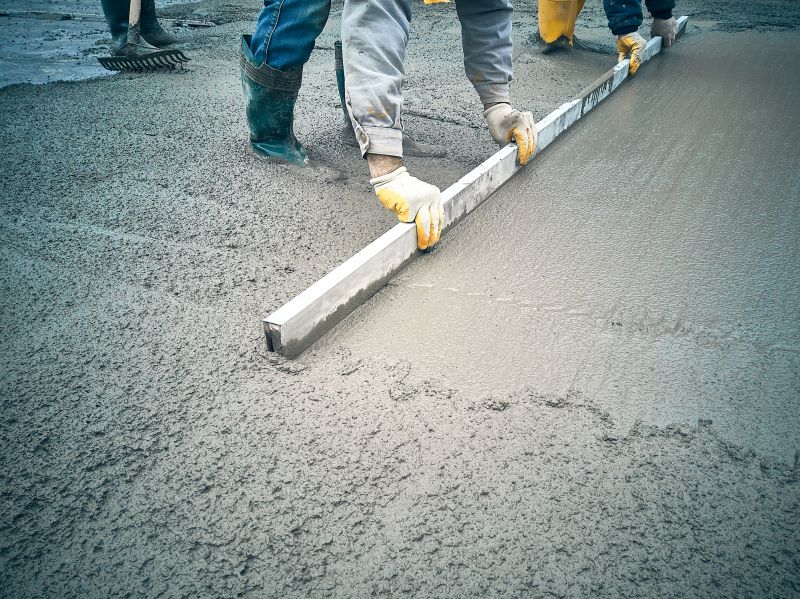
A 60-second routine that keeps Concrete Levelings looking new.
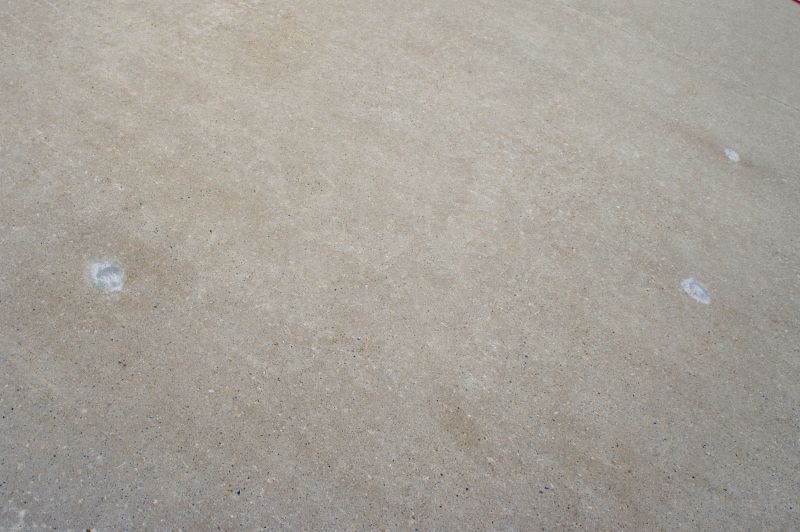
A frequent mistake in Concrete Levelings and how to dodge it.
Small tweaks to make Concrete Levelings safer and easier to use.
Lower-waste or water-saving choices for Concrete Levelings.
Interested in scheduling concrete levelings? Filling out the contact form can provide more information about suitable timing and service options for Saint Clair Shores, MI.